Human Rights
Approach to Human Rights
As the activities of companies expand worldwide, human rights issues are getting serious in society. We believe it is important to eliminate human rights issues throughout the entire supply chain, including us, and to engage in sustainable business activities.
We are conscious of our corporate social responsibility, and we recognize that it is important to conduct ourselves with ethical behavior. We have firmly upheld human rights since our founding, as reflected in the spirit of our Corporate Philosophy and Management Policies. For us, respecting human rights is a significant undertaking, consisting not only of eliminating the adverse impacts of our business activities on human rights, but also of respecting everyone who supports our business activities and contributing to the realization of a sustainable, hope-inspiring society. We incorporate the concept of respect into every aspect of our business activities, and strive to nurture a dynamic corporate culture where each person can realize their full potential.
April 1, 2023 Revised
Tokyo Electron Group recognizes corporate social responsibility and believes that it is important for us to conduct ourselves with a strong sense of integrity. We recognize the importance of human rights and the responsibility of businesses to respect human rights. We take pride in our work to uphold human rights since our founding as reflected in the spirit of “the Corporate Philosophy” and “the Management Policies” of the Tokyo Electron Group. We endeavor to incorporate the concept of respect into every aspect of our business activities, and strive for the creation of a corporate culture that enables each person to realize his or her full potential and freely enjoy their livelihoods. We also give the highest consideration to the health and safety of every person and respect his or her dignity.
For us, respecting human rights means a significant undertaking not only to fulfill our responsibility for eliminating adverse impacts on people caused through our business activities, but also those who support our business activities, and contribute to the realization of a sustainable dream-inspiring society.
The Principles & Scope of Our Human Rights Policy
We have committed to respecting human rights by adhering to the United Nations Guiding Principles on Business and Human Rights as well as international norms and principles regarding human rights including the International Bill of Human Rights and the International Labor Organization’s Declaration on Fundamental Principles and Rights at Work that are referred to in the Guiding Principles. We also refer to the Ten Principles of the United Nations Global Compact,*¹ the RBA*² Code of Conduct and standards in order to grasp the demands of the times and human rights issues in our industry. We will also comply with all applicable laws and legislations of countries and regions where we operate. When faced with conflicting requirements with internationally recognized human rights principles, we will respect those principles to the greatest extent possible in the circumstances and will be able to present our efforts in this regard.
We respect human rights of all directly hired individuals (including fixed-term and part-time workers) and agency workers (“employees”) of Tokyo Electron Limited and its consolidated subsidiaries (“Tokyo Electron Group”); as well as employees of business partners of Tokyo Electron Group, especially those within our supply chain. Furthermore, we respect human rights of the customers who may be affected by safety of products and services manufactured and/or provided by Tokyo Electron Group.
Governance
The formulation and revision of this policy and the implementation of initiatives based on it are deliberated by the Sustainability Committee, with input from outside experts, and approved at the Corporate Officers Meeting attended by the Representative Director & CEO. The Executive Officer in charge of Sustainability ensures that this policy is appropriately incorporated into business activities and reports on these efforts to the Board of Directors, which oversees them.
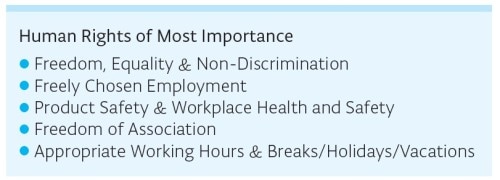
Human Rights of Most Importance
Tokyo Electron Group believes our most significant focuses are in the following areas:
■Freedom, Equality & Non-Discrimination
We value the diversity of employees. We will not engage in or allow discrimination based on race, color, age, gender, sexual orientation, gender identity and expression, ethnicity or national origin, disability, pregnancy, religion, creed, and on similar grounds*³, in hiring and employment practices such as posting, access to training, wages, rewards and promotions. We have zero tolerance for any type of harassment in any work-related circumstance.
■Freely Chosen Employment
We have zero tolerance for child*⁴ labor, forced labor*⁵, bonded labor*⁶ and human trafficking.
■Product Safety & Workplace Health and Safety
We address health and safety through taking steps to ensure that our products and services do not threaten the life and health of the people who manufacture, provide or use them.
■Freedom of Association
We practice motivation-oriented management with the belief that our corporate growth is enabled by people, and our employees both create and fulfill company values. We actively create opportunities for open-minded dialogue with employees, and strive to build mutual trust between the organization and individuals. In accordance with applicable laws and regulations of the countries and regions in which we conduct business, we respect the right of all workers to voluntarily form and join labor unions, collectively bargain, and participate in peaceful assembly. We also respect the right of the employees to refrain from such activities.
■Appropriate Working Hours & Breaks/Holidays/Vacations
We respect the right of employees to live a healthy life. We conduct our business in compliance with all applicable laws and regulations relating to working hours, breaks, holidays and vacation days.
Human Rights Impact Assessment & Redress Process (Human Rights Due Diligence)
We work to identify and assess any direct or indirect adverse human rights impacts caused or likely to be caused by activities related to our own operations or business transactions, work continuously to prevent or mitigate the adverse human rights impacts, confirm the effectiveness of our efforts through dialogue with stakeholders, and make appropriate disclosures and reports on the status of the implementation.
Grievance Mechanism
Where it becomes clear that we have caused or contributed to adverse human rights impacts, we will take appropriate measures for the provision of remedy and the prevention of recurrences. We will establish whistleblower hotlines for all stakeholders, respond in good faith to reports that can be made anonymously, and report the results. We will strictly prohibit the disadvantageous treatment of whistleblowers as well as retaliation, and properly handle the confidentiality of whistleblowers and the contents of their reports.
Communication & Training
We will communicate this policy to all employees, business partners and other relevant stakeholders including our customers and will provide training for all the executives and employees of Tokyo Electron Group. In addition, we believe it is essential for our business partners to also conduct their business activities with respect for human rights. For that reason, we expect our business partners to comply with not only laws and regulations in the countries and regions they operate but also with the RBA Code of Conduct and standards and the principles described in trainings we provide, and to respect human rights based on the content of this policy.
*1 United Nations Global Compact; We expressed our support of the Ten Principles of the United Nations (UN) Global Compact.
*2 Responsible Business Alliance; We are a member of RBA, a CSR alliance in the industry that establishes a code of conduct on labor, health & safety, environmental
and ethical issues.
*3 This includes political affiliation, union membership, covered veteran status, protected genetic information or marital status.
*4 Any person under the age of 15, or under the age for completing compulsory education, or under the minimum age for employment in the country,
whichever is greatest.
*5 All work or service that is exacted from any person under the menace of any penalty or undue disadvantage and for which the said person has not offered
himself/herself voluntarily.
*6 Slavery-like status or condition of a worker arising from his or her pledge to repay his/her or his/her relatives' debt.
2023年4月1日改訂
東京エレクトロングループは企業の社会的責任を自覚し、高い倫理観に基づいた行動が重要であると考えています。また人権の重要性と、企業として人権を尊重する責任を認識しています。私たちは創業以来とりわけ人権尊重を大切にし、東京エレクトロングループの「基本理念」および「経営理念」でその考え方を明文化しています。そして事業活動のあらゆる面に人権尊重の考え方を取り入れ、個人がその能力を最大限に発揮し、いきいきと活動できる企業文化の醸成に努めています。また、人々の安全と健康を最優先とし、個人の尊厳を尊重しています。東京エレクトロングループにとって人権の尊重は、単に人々への事業上の負の影響を排除することのみならず、事業活動を支える人々を尊重し、持続可能で夢のある社会を実現するための重要な取り組みであると捉えています。
参照する諸原則と人権尊重の対象範囲
東京エレクトロングループは、国際連合の「ビジネスと人権に関する指導原則」と、その中で言及されている「国際人権章典」ならびに「労働における基本的原則及び権利に関するILO宣言」をはじめとした人権に関する国際的な規範・原則に則り、人権尊重に取り組みます。また時代の要請や産業における人権課題を把握するため、国連グローバル・コンパクト*¹の10原則およびRBA*²の行動規範や諸基準を参照します。併せて、私たちは事業活動をおこなう国および地域の法規制を遵守します。国際的に認められた人権に関する原則と相反する要件に直面した場合は、置かれた状況の中で最大限それらの原則を尊重しその努力を説明できるようにします。
私たちは、東京エレクトロンと東京エレクトロンの連結子会社(以下、「東京エレクトロングループ」とします。)のすべての社員(有期・短時間雇用者を含む)および派遣社員(以下、「従業員」とします。)ならびに東京エレクトロングループのサプライチェーンに含まれるお取引先さまの従業員の人権を尊重します。これらに加えて、東京エレクトロングループが製造・提供する製品とサービスの安全に関して、その影響が及ぶ可能性のあるお客さまの人権を尊重します。
ガバナンス
本方針の策定や改定、またそれに基づく取り組みの実施については、外部の専門家の意見も取り入れながらサステナビリティ委員会で審議され、CEOが出席するコーポレートオフィサーズ・ミーティングで承認されます。サステナビリティ担当執行役員は、本方針が事業活動に適切に組み込まれるようにするとともに、この取り組みについて取締役会で報告をおこない、取締役会はそれを監督します。
重要と考える人権項目
■自由、平等、非差別
私たちは、従業員の多様性を尊重します。私たちは、人材募集、採用、配置、教育、報酬、昇進などにおいて、人種、皮膚の色、年齢、性、性的指向、性同一性、出身民族または出身国、障がい、妊娠、宗教、信条その他の事由*³による差別をおこなわず、またそれを認めません。また業務に関連した、いかなる形態のハラスメントも一切許容しません。
■雇用の自主性
私たちは、児童*⁴労働、強制労働*⁵、債務労働*⁶、人身取引を一切許容しません。
■製品安全と職場の安全衛生
私たちは、東京エレクトロングループの製品とサービスが、それを製造、提供、または利用する人々の生命や健康を脅かすことのないようにするための手段を講じ、製品の安全と職場の安全衛生に取り組みます。
■結社の自由
私たちは、企業の成長は人、従業員は価値創出の源泉という考えのもと、やる気を重視した経営を実践します。従業員との自由闊達な対話の機会を積極的に醸成し、組織と個人における相互信頼の構築に努めます。私たちは、事業活動をおこなう国・地域において適用される法令に従い、すべての労働者の自らの意思による労働組合結成・参加、団体交渉、平和的集会への参加の権利、およびそれらの活動を差し控える権利を尊重します。
■適切な労働時間と休憩・休日・休暇の確保
私たちは、従業員の健康的な生活を送る権利を尊重し、事業の遂行において労働時間および休憩・休日・休暇の取得について適用される法規制を遵守します。
人権に関する影響評価と是正のプロセス(人権デューデリジェンス)
東京エレクトロングループは、私たち自身の事業や事業上の取引に関連する活動によって引き起こし、また引き起こすおそれのある直接または間接的な人権への負の影響を特定・評価し、防止や軽減に継続的に取り組むとともに、ステークホルダーとの対話などを通じその有効性を確認し、実施状況を開示・報告します。
救済メカニズム
東京エレクトロングループは、人権に対する負の影響を引き起こした、または負の影響を助長したことが明らかになった場合、適切な手段を通じてその救済に取り組むとともに、再発防止に努めます。すべてのステークホルダー向けの通報窓口を設置し、匿名でおこなうことができる通報に対して誠意をもって対応し、またその結果を報告します。通報者に対する不利益な取り扱いや報復の禁止を徹底するとともに、通報者や通報内容の秘密を適切に取り扱います。
周知と教育
東京エレクトロングループは、本内容をすべての従業員、お取引先さまならびにお客さまを含むその他の関連するステークホルダーに周知し、また東京エレクトロングループのすべての役員および従業員に対し、必要な教育を適宜実施します。また、お取引先さまにも同様に人権を尊重した事業活動をおこなっていただくことが肝要であると考え、お取引先さまには事業活動をおこなう国や地域の法規制やRBAの行動規範や諸基準の遵守、および本内容に基づく人権の尊重を求めます。
*1 当社は国連グローバル・コンパクトの10原則への賛同を表明しています
*2 Responsible Business Alliance。当社は産業界の労働・安全衛生・環境・倫理の行動規範を定めるRBAに加盟しています
*3 この他、政治的党派、労働組合員であるか否か、軍役の有無、保護されるべき遺伝情報、婚姻歴も含みます
*4 15歳、または義務教育を修了する年齢、または国の雇用最低年齢の中、いずれか最も高い年齢に満たないすべての者
*5 ある者がなんらかの処罰や不利益の脅威の下に強要され、かつ自ら任意に申し出たものではないすべての作業役務のこと
*6 自身や親族の債務を返済するため、奴隷のような状態の下で働くこと
2023 巴 4 習 1 溢洲召
Tokyo Electron Group은 기업의 사회적 책임을 자각하고 높은 윤리관을 기반으로 행동하는 것이 중요하다고 생각합니다. 또한 인권의 중요성과 기업으로서 인권 존중에 대한 책임을 인식하고 있습니다. 우리는 창업 이래 특히 인권 존중을 소중히 여기고 Tokyo Electron Group의 ‘기본 이념’ 및 ‘경영 이념’으로 그 방침을 문서화했습니다. 그리고 사업 활동의 모든 면에 인권 존중 방침을 도입함으로써 개인이 그 능력을 최대한으로 발휘하고 활기차게 활동할 수 있는 기업 문화 양성에 노력하고 있습니다. 또한 사람의 안전과 건강을 최우선으로 하고 개인의 존엄성을 존중합니다. Tokyo Electron Group에 있어 인권 존중은 단순히 사람들에게 사업상의 부정적인 영향을 배제하는 것뿐만 아니라 사업 활동을 지탱하는 사람들을 존중하며 지속 가능하고 꿈이 있는 사회를 실현하기 위한 중요한 활동이라고 인식하고 있습니다.
참조할 각 원칙과 인권 존중 대상 범위
Tokyo Electron Group은 UN의 ‘비즈니스와 인권에 관한 지도 원칙’과 그중에서 언급된 ‘국제 인권 장전’ 및 ‘노동의 기본 원칙과 권리에 관한 ILO 선언’을 비롯한 인권에 관한 국제적인 규범 및 원칙에 따라 인권 존중에 힘쓰고 있습니다. 또한 시대의 요청 및 산업에서의 인권 과제를 파악하기 위해 UN 글로벌 콤팩트주1의 10원칙 및 RBA주2의 행동 규범과 각 기준을 참조합니다. 이와 함께 우리는 사업 활동을 전개하는 국가 및 지역의 법규제를 준수합니다. 국제적으로 인정된 인권에 관한 원칙과 상반되는 요건에 직면한 경우는 처한 상황 속에서 최대한 그 원칙을 존중하여 그 노력을 설명할 수 있도록 합니다.
우리는 Tokyo Electron과 Tokyo Electron의 연결 자회사(이하, ‘Tokyo Electron Group’이라고 합니다.)의 모든 사원(유기/단시간 고용자 포함) 및 파견 사원(이하 ‘직원’이라고 합니다.) 및 Tokyo Electron Group의 공급망에 포함되는 거래처 직원의 인권을 존중합니다. 이에 더해 Tokyo Electron Group이 제조 및 제공하는 제품과 서비스의 안전에 관해 그 영향이 미칠 수 있는 고객의 인권을 존중합니다.
거버넌스
본 방침의 수립 및 개정, 또한 이에 기반한 활동의 실시에 대해서는 외부 전문가의 의견도 수렴하면서 지속가능성 위원회에서 심의하고 CEO가 참석하는 코퍼레이트 오피서 미팅에서 승인합니다. 지속가능성 담당 집행 임원은 본 방침이 사업 활동에 적절히 정착될 수 있도록 하고 이와 동시에 이 활동에 대해 이사회에서 보고하며 이사회는 이를 감독합니다.
중요하게 생각하는 인권 항목
Tokyo Electron Group은 아래의 인권 항목이 특히 중요하다고 생각합니다.
■자유, 평등, 비차별
우리는 직원의 다양성을 존중합니다. 우리는 인재 모집, 채용, 배치, 교육, 보수, 승진 등에서 인종, 피부색, 연령, 성별, 성적 취향, 성 정체성, 출신 민족 또는 출신 국가, 장애, 임신, 종교, 신조 및 기타 사유주3로 인해 차별하지 않고 또한 이를 용인하지 않습니다. 또한 업무에 관한 어떠한 형태의 괴롭힘도 일절 허용하지 않습니다.
■고용의 자주성
우리는 아동주4노동, 강제노동주5, 채무노동주6, 인신매매를 일절 허용하지 않습니다.
■제품 안전과 직장의 안전 위생
우리는 Tokyo Electron Group의 제품과 서비스가 이를 제조, 제공 또는 이용하는 사람들의 생명 및 건강을 위협하는 일이 없도록 하기 위한 수단을 마련하고 제품의 안전과 직장의 안전 위생을 위해 노력합니다.
■결사의 자유
우리는 기업의 성장은 사람이며 직원은 가치 창출의 원천이라는 사고 아래 의욕을 중시한 경영을 실천합니다. 직원과의 자유 활달한 대화 기회를 적극적으로 양성하고 조직과 개인의 상호 신뢰 구축을 위해 노력합니다. 우리는 사업 활동을 전개하는 국가 및 지역에서 적용되는 법령에 따라 모든 노동자의 자유의사에 의한 노동조합 결성 및 참여, 단체 교섭, 평화적 집회에 참가할 권리 및 그러한 활동을 거부할 권리를 존중합니다.
■적절한 근로 시간과 휴식, 휴일, 휴가 확보
우리는 직원의 건강한 생활을 영위할 권리를 존중하고 사업 수행에 있어 근로 시간과 휴식, 휴일, 휴가 취득에 적용되는 법규제를 준수합니다.
인권에 관한 영향 평가와 시정 과정(인권 실사)
Tokyo Electron Group은 우리 자신의 사업 및 사업상 거래와 관련된 활동으로 인해 발생하거나 발생할 수 있는 직접 또는 간접적인 인권에 대한 부정적 영향을 특정 및 평가하고 방지 및 경감을 위해 지속적으로 노력함과 동시에 이해관계자와의 대화 등을 통해 그 유효성을 확인하고 실시 상황을 공개 및 보고합니다.
구제 메커니즘
Tokyo Electron Group은 인권에 대해 부정적 영향을 일으키거나 부정적 영향을 조장한 것이 밝혀진 경우, 적절한 수단을 통해 그 구제 활동을 실시함과 동시에 재발 방지를 위해 노력합니다. 모든 이해관계자를 위한 제보 창구를 설치하고 익명 제보에 대해서 성의를 갖고 대응하며 또한 그 결과를 보고합니다. 제보자에 대한 불이익 취급 및 보복을 철저히 금지함과 동시에 제보자 및 제보 내용 비밀을 적절히 취급합니다.
주지 및 교육
Tokyo Electron Group은 본 내용을 모든 직원, 거래처 및 고객을 포함한 기타 관련 이해관계자에게 주지하고 Tokyo Electron Group의 모든 임원 및 직원에 대해서도 필요한 교육을 적절히 실시합니다. 또한 거래처도 이처럼 인권을 존중한 사업 활동을 추진하는 것이 중요하다고 생각하여 거래처에는 사업 활동을 전개하는 국가 및 지역의 법규제와 RBA 행동 규범, 각 기준의 준수 및 본 내용에 기반한 인권 존중을 요청합니다.
주1 당사는 UN 글로벌 콤팩트의 10원칙에 대해 찬성을 표명했습니다
주2 Responsible Business Alliance. 당사는 산업계의 노동, 안전 위생, 환경, 윤리 행동 규범을 규정하는 RBA에 가입했습니다
주3 그 밖에 정치적 당파, 노동조합원 여부, 군역 여부, 보호해야 할 유전 정보, 혼인 이력도 포함됩니다
주4 15세 또는 의무 교육을 수료하는 연령 또는 국가의 고용 최저 연령 중 가장 높은 연령을 만족하지 않는 모든 사람
주5 어떤 사람이 어떠한 처벌 및 불이익의 위협하에서 강요받았고 또한 자신의 임의로 신청한 것이 아닌 모든 작업 역무를 의미합니다
주6 자신 및 친척의 채무를 변제하기 위해 노예와 같은 상태에서 일하는 것을 의미합니다
2023年4月1日修汀
Tokyo Electron Group认识到企业的社会责任,并认为基于崇高的道德观采取行动十分重要。同时也认识到人权的重要性以及作为企业尊重人权的责任。因此自公司成立以来,我们尤其重视尊重对人权的维护,并在Tokyo Electron Group“基本理念”及“经营理念”中进行了明确规定。本公司在业务活动的方方面面融入了尊重人权的理念,并努力营造出能够最大限度地发挥个人能力、充满活力地开展活动的企业文化。另外,我们还把人们的安全与健康放在首位,尊重个人的尊严。对于Tokyo Electron Group来说,尊重人权不仅仅是为了消除业务活动对人们产生的负面影响,还是为了尊重支持业务活动的人们,是为了实现可持续的、富有梦想的社会的重要举措。
参考的各项原则与尊重人权的对象范围
Tokyo Electron Group遵循联合国的《工商业与人权指导原则》和其中提及的《国际人权法案》、《国际劳工组织关于工作中基本原则和权利宣言》为代表的人权相关国际规范和原则,开展尊重人权的活动。另外,为了掌握时代的要求和行业中的人权课题,还参考了“联合国全球契约注1十项原则”和“RBA注2 行为规范”以及其他各项标准。并且,我们遵守开展业务活动所在的国家和地区的法律法规。当遇到违背国际公认的人权相关原则的要求时,要在所处的状况下最大限度地尊重这些原则,并做到能对其努力进行说明。
我们尊重 Tokyo Electron和Tokyo Electron关联子公司(以下简称为“Tokyo Electron Group”。)所有员工(包括正式员工与临时雇用者)、派遣员工(以下、简称为“员工”。)以及Tokyo Electron Group供应链中的商业合作伙伴所属员工的人权。除此之外,也尊重有可能因 Tokyo Electron Group生产并提供的产品和服务之安全而受到影响的客户的人权。
治理
本方针的制定和修订、以及基于本方针实施的举措都在听取了外部专家的意见的基础上经过可持续发展委员会审议,然后在CEO出席的公司高管会议上进行审批。可持续发展担当执行董事在保证本方针被妥善落实在业务活动中的同时,要在董事会上就相应举措进行报告。而董事会要对此进行监督。
认为重要的人权项目
Tokyo Electron Group认为以下的人权项目尤为重要。
■自由、平等、无歧视
我们尊重员工的多样性。在人才招募、录用、分配、培训、报酬、晋升等方面,不得进行且不能允许因人种、肤色、年龄、性别、性取向、性别认同、出身民族或国籍、残障、怀孕、宗教、政治倾向等事由注3进行的歧视行为。并且,也不允许任何形态的、与业务相关的骚扰行为。
■自由选择的雇佣关系
我们不允许任何雇用童工注4、强迫劳动注5、抵债劳动注6、人口贩卖行为。
■产品安全和工作环境的安全卫生
我们采取措施致力于产品安全和工作环境的安全卫生,以保证Tokyo Electron Group的产品和服务不会威胁到生产、提供、或使用者的生命与健康。
■结社自由
我们基于“企业的成长依靠人、员工是创造企业价值的源泉”的观念,践行重视员工积极性的经营。我们积极创造与员工轻松自由地进行对话的机会,努力构建组织与个人之间的相互信赖关系。并且,我们遵循开展业务活动的国家和地区所适用的法律法规,尊重所有劳动者以自己的意愿结成或加入工会、进行集体谈判、参加和平集会的权利,同时也尊重不参加这些活动的权利。
■确保适当的劳动时间及休息时间、节假日、年休假
我们尊重员工健康生活的权利,在完成业务时遵守劳动时间及休息时间、节假日、年休假方面适用的法律法规。
与人权相关的影响评估和纠正流程(人权尽职调查)
Tokyo Electron Group识别并评估由我们自身的业务及与业务中的交易相关的活动引起的、或者有可能引起的直接或间接性的人权负面影响,并不断开展防止及降低其影响的活动。同时,通过与利益相关方的对话等确认其有效性,并披露及报告实施情况。
申诉机制
当判明造成了对人权的负面影响、或者助长了负面影响时,Tokyo Electron Group会通过采取妥善措施进行矫正,同时努力防止再次发生。并且,针对所有利益相关方设置举报窗口,诚挚地应对可匿名进行的举报,并报告其结果。另外,彻底禁止对举报人的不公正对待及报复行为,并对举报人及举报内容进行妥善保密。
周知与培训
Tokyo Electron Group要让所有员工、以及包括商业合作伙伴、客户在内的其他利益相关方周知本内容,并以Tokyo Electron Group的所有董事和员工为对象适当实施必要的培训。并且,我们认为商业合作伙伴也同样开展尊重人权的业务活动非常重要,因此也请他们遵守开展业务活动的国家和地区的法律法规以及RBA行为规范及各种标准,并请基于本内容尊重人权。
注1 本公司表明赞同“联合国全球契约十项原则”
注2 Responsible Business Alliance。本公司是RBA的成员。RBA制定了产业界在劳动、安全卫生、环境、伦理方面的行为规范
注3 此外,还包括政治党派、是否是工会会员、是否服过兵役、应被保护的遗传信息、婚姻状况
注4 所有未满 15 岁、或低于完成义务教育年龄,或低于该国家的最低就业年龄(以这三者中最大者为准)的人
注5 是指被人以某种处罚或在不利胁迫之下强迫劳动,且不是出于自己任意提出的所有劳作
注6 是指为了偿还自己及亲属的债务而在类似奴隶的状态下劳动
2023年4月1日修訂
Tokyo Electron Group自覺擔負企業社會責任,認為基於高倫理觀的行動至關重要。此外,體認到人權的重要性和作為企業負有尊重人權的責任。我們自創業以來尤其尊重人權,並在Tokyo Electron Group的「基本理念」及「經營理念」上明確闡述。我們將尊重人權的理念融入事業活動的所有層面,努力營造理想的企業文化,讓每個人都能最大程度發揮自己的能力,並充滿活力地展開活動。此外,我們還將人們的安全和健康放在首位,尊重個人的尊嚴。對Tokyo Electron Group而言,尊重人權不單是為了排除在事業上對人們所帶來的負面影響,我們也將此視為實現永續發展理想社會的重要措施。
各項準則和人權方針的適用範圍
Tokyo Electron Group的人權方針謹遵國際準則,如《聯合國工商企業與人權指導原則》中的《國際人權公約》,及國際勞工組織的《工作基本原則與權利宣言》,致力於人權尊重。此外,我們還參考了聯合國全球契約註1十項原則、 RBA註2行為準則及各項標準,掌握時代需求和產業中的人權課題。同時,我們遵守推廣事業活動的國家及地區的法令規則。當面臨與國際公認人權原則抵觸的事件時,我們將在所處的情況下盡最大可能遵守這些原則,並竭盡所能展示我們所盡的努力。
我們尊重Tokyo Electron Limited和Tokyo Electron Limited的關聯子公司(以下稱為「Tokyo Electron Group」)的所有員工(包括正職、及派遣或臨時僱用人員,以下總稱為「員工」),以及Tokyo Electron Group供應鏈中的交易廠商員工的人權。除此之外,關於Tokyo Electron Group製造與提供的產品和服務的安全,我們尊重可能受其影響的客戶人權。
治理
本方針的制定和修訂,以及基於本方針實施的措施,經外部專家意見、永續發展委員會審議,並在CEO出席的執行幹部會議上核准。負責永續發展的執行董事將本方針適當地納入事業活動,同時在董事會上報告,由董事會進行監督。
認定為重要的人權項目
Tokyo Electron Group認為以下的人權尤其重要。
■自由、平等、不歧視
我們重視員工的多樣性。我們在人才招募、錄用、職位發布、人員配置、教育、薪酬、升遷、培訓及獎勵等方面,不因人種、膚色、年齡、性別、性取向、性別認同、種族或國籍、身障、懷孕、宗教、信條和其他事由註3而有所歧視。另外,我們對於與業務有關的任何形式的騷擾是零容忍的。
■僱用自主性
我們不容許雇用童工註4、強迫勞動註5、抵債勞動註6和人口販賣。
■產品安全及職場的安全衛生
我們採取措施,確保Tokyo Electron Group的產品和服務不會對製造、提供或使用的人們的生命或健康構成威脅,致力於產品安全和職場的安全衛生。
■結社自由
我們認為企業的成長依靠人,員工是創造企業價值的源泉,管理皆以激勵為導向。積極營造能與員工進行開放性對話的機會,努力建構組織和個人之間的相互信賴。我們遵循適用於從事事業活動的國家與地區的法令,尊重所有勞工自願組建與加入工會、集體談判、參加和平集會的權利,也尊重員工不從事此類活動的權利。
■適當的勞動時間及確保休息、假日、休假
我們尊重員工擁有健康生活的權利,並在從事事業上遵守適用於勞動時間和取得休息、假日、休假的法令規定。
與人權有關的影響評估和糾正程序(人權盡職調查)
Tokyo Electron Group識別和評估任何直接、間接的負面人權影響,無論該影響是因我們自身的事業、或相關交易活動所造成。在持續致力於防止或減輕這類影響的同時,我們將透過與利益關係人對話等方式確認其有效性,並公開與報告實施狀況。
舉報機制
Tokyo Electron Group在發現造成或助長負面人權影響時,除了致力於採取適當的措施進行補救外,並努力防止再次發生。我們接受匿名舉報,並將針對所有利益關係人設置舉報窗口,竭盡誠意地回應,並報告其結果。除了嚴禁對舉報人給予不利待遇與徹底禁止報復外,更妥善處理舉報人和舉報的內容。
溝通與培訓
Tokyo Electron Group會將本內容傳達給所有員工、交易廠商及客戶在內的其他相關利益關係人,並且對Tokyo Electron Group的所有董事及員工適當地實施必要的教育訓練。另外,我們認為交易廠商以同樣的方式推展事業活動至關重要,要求交易廠商遵守其推展事業活動的國家與地區的法令規定、RBA行為準則、各項標準,以及基於本內容尊重人權。
註1 United Nations Global Compact。本公司支持聯合國全球契約十項原則
註2 Responsible Business Alliance。本公司為RBA成員,RBA制定了產業界對於勞工、健康與安全、環境、道德規範的行為準則
註3 這包含所屬政黨、是否為工會成員、有無服軍役史、應受到保護的遺傳資訊和婚姻狀況
註4 所有未滿 15歲、或未完成義務教育的年齡、或未滿該國最低就業年齡的人,以任一年齡較高者為準
註5 人們被以任何懲罰或不利做為威脅,強迫在違背自己的意願下進行任何工作服務
註6 在奴隸般的狀態或條件下工作以償還自己或親屬的債務
Sửa đổi ngày 1 tháng 4 năm 2023
Tập đoàn Tokyo Electron tự giác về trách nhiệm xã hội của doanh nghiệp và xem các hành động dựa trên quan niệm đạo đức tốt là rất quan trọng. Ngoài ra, tập đoàn còn đang nhận thức được tầm quan trọng của nhân quyền và trách nhiệm tôn trọng nhân quyền của doanh nghiệp. Chúng ta từ khi khởi nghiệp đã đặc biệt coi trọng việc tôn trọng nhân quyền, và đã thể hiện rõ tư duy đó tại “Triết lý cơ bản” và “Triết lý kinh doanh” của Tập đoàn Tokyo Electron. Và chúng ta đã đưa vào áp dụng tư duy tôn trọng nhân quyền trên tất cả các phương diện của hoạt động kinh doanh, cá nhân phát huy tối đa năng lực đó và nỗ lực xây dựng văn hóa doanh nghiệp nơi mọi người có thể hoạt động sôi nổi. Ngoài ra, ưu tiên hàng đầu an toàn và sức khỏe của mọi người, tôn trọng tôn nghiêm của cá nhân. Đối với Tập đoàn Tokyo Electron, tôn trọng nhân quyền không chỉ đơn thuần là việc loại bỏ các ảnh hưởng xấu đối với mọi người trong lúc làm việc, mà còn được hiểu là việc tôn trọng tất cả mọi người đang duy trì hoạt động kinh doanh, và là nỗ lực quan trọng nhằm thực hiện xã hội bền vững mơ ước.
Các quy tắc tham khảo và phạm vi đối tượng áp dụng tôn trọng nhân quyền
Tập đoàn Tokyo Electron nỗ lực thực hiện tôn trọng nhân quyền dựa theo các quy phạm, nguyên tắc quốc tế liên quan đến nhân quyền, trước hết là “Nguyên tắc chỉ đạo liên quan đến kinh doanh và nhân quyền” của Liên Hợp Quốc, và “Tuyên ngôn Nhân quyền Quốc tế” cùng với “Tuyên ngôn ILO liên quan đến nguyên tắc và quyền lợi cơ bản trong lao động” được đề cập trong Nguyên tắc chỉ đạo này. Ngoài ra, để nắm bắt yêu cầu của thời đại và các vấn đề nhân quyền trong ngành, chúng ta tham khảo 10 nguyên tắc của Hiệp ước Toàn cầu Liên Hợp Quốc Chú thích 1 và quy tắc ứng xử cùng với các tiêu chuẩn của RBA Chú thích 2. Đồng thời, chúng ta tuân thủ quy định pháp luật của quốc gia, vùng lãnh thổ mà chúng ta triển khai hoạt động kinh doanh. Trường hợp đối mặt với các điều kiện tương phản với các nguyên tắc liên quan đến nhân quyền được quốc tế công nhận, chúng ta tôn trọng tối đa những nguyên tắc đó trong tình huống vấp phải và thu xếp sao cho có thể giải thích được những nỗ lực đó.
Chúng ta tôn trọng nhân quyền của tất cả các nhân viên (bao gồm nhân viên hợp đồng có thời hạn, nhân viên thời vụ) và nhân viên phái cử (sau đây gọi tắt là “nhân viên”) của Tokyo Electron và các công ty con hợp nhất của Tokyo Electron (sau đây gọi tắt là “Tập đoàn Tokyo Electron”) và nhân viên của các đối tác trong chuỗi cung ứng của Tập đoàn Tokyo Electron. Thêm vào đó, còn tôn trọng nhân quyền của các khách hàng có khả năng chịu ảnh hưởng liên quan đến an toàn của sản phẩm và dịch vụ mà Tập đoàn Tokyo Electron sản xuất, cung cấp.
Quản trị
Việc hoạch định hay sửa đổi chính sách này, và việc thực hiện những nỗ lực dựa trên những điều này vừa được tiếp thu ý kiến của các chuyên gia bên ngoài, vừa được xem xét kỹ bởi Ủy ban bền vững, và được phê duyệt tại cuộc họp ban giám đốc có CEO tham dự. Cán bộ điều hành phụ trách bền vững sẽ cố gắng lồng ghép một cách phù hợp chính sách này vào hoạt động kinh doanh, đồng thời báo cáo với hội đồng quản trị về những nỗ lực này, còn hội đồng quản trị sẽ giám sát những nỗ lực được đề cập.
Hạng mục về nhân quyền được xem là quan trọng
ập đoàn Tokyo Electron xem các hạng mục về nhân quyền sau đây đặc biệt quan trọng.
■Tự do, bình đẳng, không phân biệt
Chúng ta tôn trọng tính đa dạng của nhân viên. Chúng ta không phân biệt lấy lý do về chủng tộc, màu da, tuổi tác, giới tính, xu hướng tính dục, bản dạng giới, dân tộc xuất thân hay nước xuất thân, khuyết tật, mang thai, tôn giáo, tín ngưỡng và các lý do khác Chú thích 3 trong việc đăng tuyển nhân sự, tuyển dụng, bố trí, đào tạo, trả thù lao, thăng tiến, v.v, và không công nhận việc phân biệt này. Ngoài ra, cũng tuyệt đối không tha thứ cho bất kỳ hình thức quấy rối nào liên quan đến công việc.
■Tính tự chủ trong tuyển dụng
Chúng ta tuyệt đối không tha thứ đối với lao động trẻ em Chú thích4, cưỡng bức lao động Chú thích 5 , lao động trả nợ Chú thích6, buôn người.
■An toàn sản phẩm và an toàn vệ sinh nơi làm việc
Chúng ta cố gắng thực hiện các biện pháp để các sản phẩm và dịch vụ của Tập đoàn Tokyo Electron không đe dọa đến tính mạng và sức khỏe của người sản xuất, cung cấp hoặc sử dụng các sản phẩm và dịch vụ này, nỗ lực thực hiện an toàn sản phẩm và an toàn vệ sinh nơi làm việc.
■Tự do thành lập hiệp hội
Chúng ta thực hành kinh doanh xem trọng động lực làm việc, dựa trên tư duy là tăng trưởng của doanh nghiệp nhờ vào con người và nhân viên là cội nguồn của việc tạo ra các giá trị. Nỗ lực một cách tích cực tạo ra các cơ hội đối thoại mang tính tự do cởi mở với nhân viên, xây dựng niềm tin lẫn nhau trong tổ chức và giữa các cá nhân. Chúng ta tôn trọng quyền thành lập và tham gia công đoàn dựa trên nguyện vọng của bản thân tất cả người lao động, thương lượng tập thể, tham gia vào các buổi tụ họp mang tính hòa bình, cũng như quyền từ chối tham gia các hoạt động này, dựa theo pháp lệnh được áp dụng tại quốc gia, vùng lãnh thổ triển khai hoạt động kinh doanh.
■Đảm bảo thời gian lao động, nghỉ giữa giờ, ngày nghỉ và kỳ nghỉ phù hợp
Chúng ta tôn trọng quyền được sống một cuộc sống khỏe mạnh của nhân viên, tuân thủ các quy định pháp luật được áp dụng đối với thời gian lao động và nghỉ giữa giờ, ngày nghỉ và lấy kỳ nghỉ trong khi tiến hành hoạt động kinh doanh.
Quy trình đánh giá và khắc phục ảnh hướng liên quan đến nhân quyền (thẩm định nhân quyền)
Tập đoàn Tokyo Electron nỗ lực liên tục xác định, đánh giá, ngăn ngừa và làm giảm các ảnh hưởng xấu đến nhân quyền một cách trực tiếp hoặc gián tiếp gây ra hoặc có nguy cơ gây ra bởi hoạt động kinh doanh hoặc hoạt động liên quan đến giao dịch về mặt kinh doanh của bản thân chúng ta, đồng thời kiểm tra tính hữu hiệu của quy trình này thông qua việc đối thoại với các bên liên quan và công bố, báo cáo tình hình thực hiện.
Cơ chế giải quyết khiếu nại
Trường hợp rõ ràng đã gây ra ảnh hưởng xấu hoặc góp phần tạo ảnh hưởng xấu đối với nhân quyền, Tập đoàn Tokyo Electron sẽ nỗ lực tiến hành việc giải quyết tình thế này thông qua các biện pháp phù hợp, đồng thời nỗ lực ngăn ngừa tái phát. Thiết lập đầu mối tố cáo dành cho tất cả các bên liên quan, xử lý với thành ý đối với các tố cáo có thể thực hiện nặc danh, và báo cáo kết quả của việc xử lý này. Triệt để cấm đối xử bất lợi hoặc báo thù đối với người tố cáo, đồng thời sử dụng một cách phù hợp bí mật của người tố cáo và nội dung tố cáo.
Phổ biến và đào tạo
Tập đoàn Tokyo Electron phổ biến nội dung này cho tất cả các nhân viên, đối tác và các bên liên quan khác bao gồm cả khách hàng, và thực hiện việc đào tạo cần thiết vào lúc thích hợp đối với tất cả các nhân viên và cán bộ của Tập đoàn Tokyo Electron. Ngoài ra, xem việc các đối tác cũng tương tự tiến hành hoạt động kinh doanh trong đó tôn trọng nhân quyền là việc tối quan trọng, và đòi hỏi các đối tác tuân thủ các quy định pháp luật của quốc gia và vùng lãnh thổ triển khai hoạt động kinh doanh, và quy tắc ứng xử và các tiêu chuẩn của RBA, cũng như tôn trọng nhân quyền dựa trên nội dung này.
Chú thích 1 Công ty thể hiện rõ sự tán đồng đối với 10 nguyên tắc của Hiệp ước Toàn cầu Liên Hợp Quốc
Chú thích 2 Liên minh Doanh nghiệp có trách nhiệm (Responsible Business Alliance). Công ty chúng ta đang gia nhập RBA, nơi quy định quy tắc ứng xử về lao động,an toàn vệ sinh, môi
trường, đạo đức trong ngành nghề
Chú thích 3 Ngoài ra, còn bao gồm cả đảng phái chính trị, có phải là đoàn viên hay không, có tham gia nghĩa vụ quân sự hay không, thông tin di truyền đã được bảohộ, lý lịch hôn nhân
Chú thích 4 Tất cả những người chưa đạt đến độ tuổi cao nhất trong số 3 loại tuổi là tuổi 15, hoặc tuổi hoàn thành giáo dục bắt buộc, hoặc tuổi lao động tối thiểu
Chú thích 5 Tất cả các công việc lao động mà một người nào đó bị cưỡng ép thực hiện bằng cách uy hiếp xử phạt hoặc gây bất lợi nào đó và không phải do bản thân người đó đề nghị một
cách tự nguyện
Chú thích 6 Làm việc trong trạng thái giống như nô lệ để trả nợ cho bản thân hay họ hàng
UK Modern Slavery Act Statement for FY2026
CTPAT Forced Labor Policy Statement
Human Rights Policy and Promotion Framework
We recognize corporate social responsibility and believe that it is important for us to conduct ourselves with a strong sense of integrity. We recognize the importance of human rights and the responsibility of businesses to respect human rights. Based on this recognition, we formulated the Tokyo Electron Group Human Rights Policy*¹ with reference to the United Nations' Guiding Principles on Business and Human Rights, the International Bill of Human Rights and the ILO Declaration on Fundamental Principles and Rights at Work referred to therein, the Ten Principles of the United Nations Global Compact, and the RBA Code of Conduct*².
United Nations’ Guiding Principles on Business and Human Rights
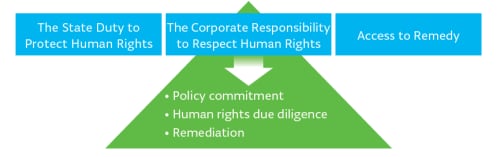
Our Human Rights Policy specifies five focus areas of human rights. We thoroughly familiarize all of our executives and employees with the Policy and request that our suppliers also conduct their business activities in line with the Policy. In addition, we engage in active dialogue with all of our stakeholders, including shareholders, investors, and suppliers, striving to meet the demands and expectations of society.
Led by our Corporate Sustainability Management Department, human rights issues and initiatives are shared and activities to promote respect for human rights are advanced at the Sustainability Global Committee, which is attended by sustainability managers from across the Group. Important matters are deliberated by the Sustainability Committee and approved at the Corporate Officers Meeting attended by the CEO. The Division Officer in charge reports the status, progress, and results of important matters to the Board of Directors, which supervises these efforts.
At the Sustainability Committee meeting held in June 2026, the results of the human rights survey conducted in fiscal year 2026 were reported, and discussions and deliberations were held regarding the establishment of a grievance mechanism dedicated to human rights remediation.
"Tokyo Electron Group Human Rights Policy" on our website:Human Rights
RBA Code of Conduct: A set of standards established by the Responsible Business Alliance (RBA) for supply chains in the electronics industry, to promote improvements in human rights and labor, health and safety, the environment, and ethics throughout the supply chain, and that companies take responsibility for the environmental impacts of manufacturing processes and procurement
The Process for Considering the Human Rights of Most Importance
The Process for Considering the Human Rights of Most Importance
|
Meeting Bodies for Oversight and Execution, and Roles in Respecting Human Rights
| Oversight | ||
|---|---|---|
| Conference Name | Participants | Function |
| Board of Directors | 4 Inside directors (including one Non-executive director), 5 Outside directors |
|
| Execution | ||
|---|---|---|
| Conference Name | Participants | Function |
| Corporate Officers Meeting | Representative Director, President & CEO, Corporate Officers, and Division Officers |
|
| Sustainability Committee | Division Officers, General Manager of the Corporate Sustainability Management Department, Corporate Officers, and presidents of Group companies |
|
| Sustainability Global Committee | Sustainability managers |
|
Initiatives Which Align With the United Nations’ Guiding Principles on Business and Human Rights
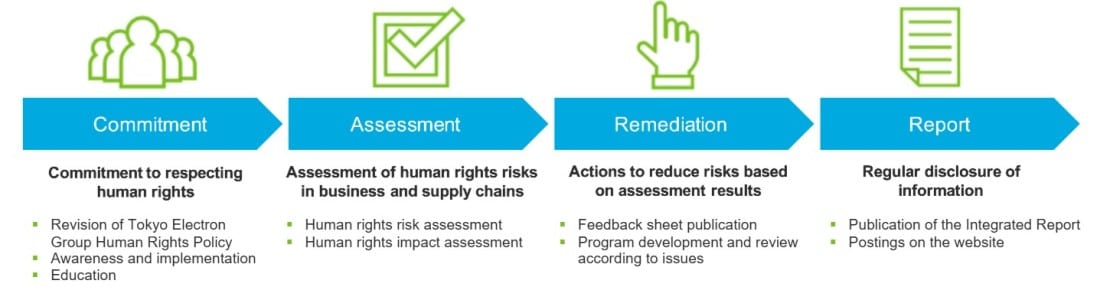
Human Rights Due Diligence
Every year, we identify and evaluate adverse human rights impact (human rights risks) across the entire Group and among our suppliers, based on the United Nations’ Guiding Principles on Business and Human Rights. We then implement initiatives to prevent and mitigate the identified adverse human rights impact and actively conduct human rights due diligence that tracks and evaluates the effectiveness of those initiatives and appropriately discloses information. We have conducted the supplier survey continuously since fiscal year 2018, and the survey for Group companies since fiscal year 2022.
Human Rights Due Diligence Steps

Identifying Adverse Human Rights Impacts
We identify adverse human rights impacts every year. In fiscal year 2026, we conducted a human rights survey based on RBA audit standards covering 19 of domestic and overseas Group sites and 707 suppliers involved in materials, staffing, customs, packaging, and other areas.
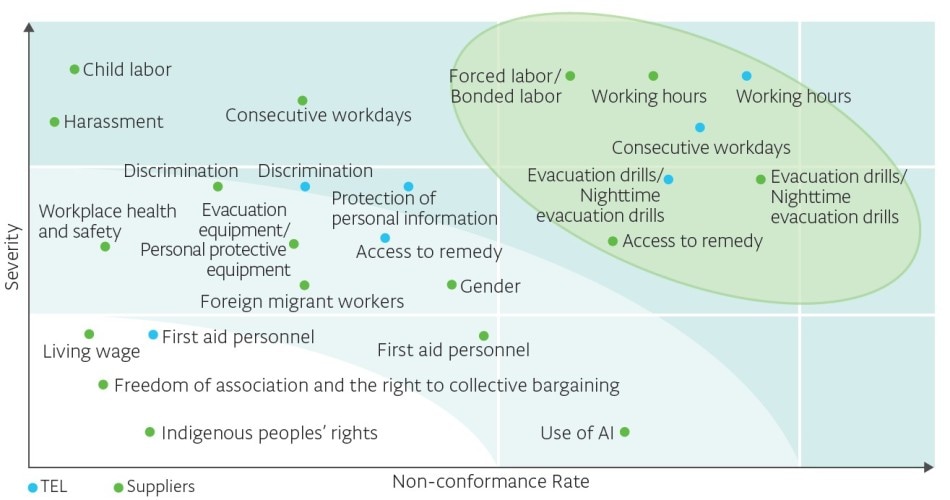
The questionnaire is built mainly around the salient human rights issues set out in the Tokyo Electron Group Human Rights Policy and the elements of the RBA Code of Conduct. To examine issues from a range of perspectives, we include several questions on matters such as forced and bonded labor, discrimination, gender, and freedom of association and the right to collective bargaining. We have also added questions on the rights of Indigenous peoples and the use of AI, among other topics, to identify human rights risks more broadly.
Fiscal year 2026 Human Rights Survey
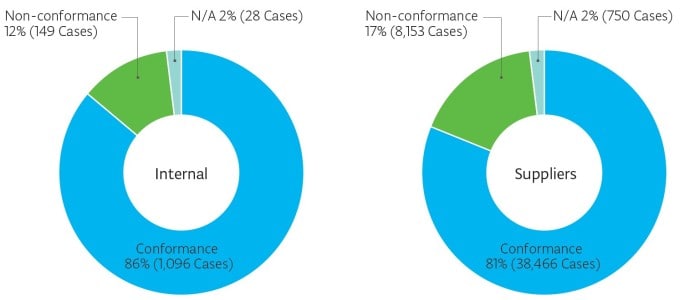
Our classifications and definitions of conformance as well as human rights risks based on RBA auditing standards are as follows.
Conformance: No issues were recognized in each area and requirements are being met
Non-conformance: Requirements are not fully met.
N/A: Indicates that the respondent answered that “the question is not applicable.”
As a result of the fiscal year 2026 human rights survey, we identified the following as high-priority human rights risks within the Group: “working hours,” “consecutive workdays,” “evacuation drills,” and “nighttime evacuation drills.” For our suppliers, we identified “forced labor and bonded labor,” “working hours,” “evacuation drills,” and “access to remedy.” To prevent and mitigate adverse impacts throughout the supply chain, we are developing corrective action and mitigation plans for the identified risks and implementing improvement initiatives.
We provide all suppliers with feedback on the results and request corrective action for items found to be noncompliant. We also strengthened monitoring of the 39 suppliers for which we identified risks requiring priority improvement.
Main Human Rights Issues Identified Through the Fiscal Year 2026 Human Rights Survey
The Group: Overview of the Fiscal Year 2026 Human Rights Survey
| Number of sites surveyed | 19 |
|---|---|
| Response rate | 100% |
| Number of sites implementing corrections | 19 |
High-Priority Human Rights Risks and Corrective Actions
| Human Rights Risks | Main Issues | Number of sites targeted for remedy, correction, or mitigation* | Number of sites implemented* | Implementation rate | Actions for remedy, correction, and mitigation |
|---|---|---|---|---|---|
| Working Hours |
|
10 sites | 9 sites |
90%
|
Remedy for adverse impacts
|
| Consecutive Workdays |
|
8 sites | 8 sites |
100%
|
Remedy for adverse impacts
|
| Evacuation Drills |
|
5 sites | 4 sites |
80%
|
Mitigation of potential adverse impacts
|
| Nighttime Evacuation Drills |
|
8 sites | 6 sites |
75%
|
Mitigation of potential adverse impacts
|
As of August 2026 (including the number of sites targeted and the number of sites where actions have been implemented). Includes duplicate supplier counts
Suppliers: Overview of the Fiscal Year 2026 Human Rights Survey
| Number of suppliers surveyed | 707 |
|---|---|
| Response rate | 100% |
| Number of suppliers with human rights risks identified as priorities for improvement | 41 |
| Number of suppliers that drew up a corrective action plan | 39 |
As of August 2026
Follow-up with suppliers that have not yet implemented corrective action is ongoing
High-Priority Human Rights Risks and Corrective Actions
| Human Rights Risks | Main Issues | Number of suppliers targeted for remedy, correction, or mitigation*¹ | Number of suppliers implemented | Implementation rate*² | Actions for remedy, correction, and mitigation |
|---|---|---|---|---|---|
| Forced Labor Bonded Labor |
|
11 suppliers | 9 suppliers |
82%
|
Remedy for adverse impacts
|
| Working Hours |
|
7 suppliers | 4 suppliers |
57%
|
Remedy for adverse impacts
|
| Evacuation Drills Nighttime Evacuation Drills |
|
26 suppliers | 11 suppliers |
42%
|
Mitigation of potential adverse impacts
|
| Access to Remedy |
|
7 suppliers | 5 suppliers |
71%
|
Mitigation of potential adverse impacts
|
Of the suppliers targeted for correction or mitigation, the number of suppliers asked individually, by human rights risk, to make improvements (to draw up and implement an improvement plan) . Includes duplicate site counts
Number of suppliers that had completed corrective action as of August 2026
Preventing and Mitigating Adverse Impacts
Initiative Example 1
Examples of initiatives on working hours and consecutive workdays - The Group
For working hours and consecutive workdays, which we identified as high-priority human rights risks for the Group, cases have arisen in which employees exceeded the RBA Code of Conduct limits of 60 working hours per week and six consecutive workdays. These arose from factors such as unforeseeable situations in the development of new equipment, sudden problems at customer sites, and the handling of escalations. Tokyo Electron Kyushu works to prevent and mitigate these risks by putting in place an environment for monitoring employees' working hours, introducing a mechanism that prevent working hours from exceeding the limits, and carrying out company-wide initiatives that involve management. Specifically, it tallies working hours partway through the week and sends alert emails to employees who exceed a set number of hours, while also sharing a list of those employees with their supervisors. This helps prevent significant excess working hours by allowing work to be adjusted as needed. Results are reported to management on a weekly basis, and making the situation visible has established a structure that allows conditions to be grasped quickly, advancing initiatives to prevent and mitigate these risks.
Initiative Example 2
Examples of initiatives on evacuation drills and nighttime evacuation drills - The Group
At Tokyo Electron Shanghai, drills on putting on and taking off smoke masks and fire-extinguisher drills are held alongside evacuation drills to raise awareness of disaster prevention and to acquire the correct knowledge and behaviors. At Tokyo Electron Kunshan, a nighttime evacuation drill was carried out without prior notice to check employees’ ability to respond in an emergency. As a result, employees recognized risks that differ from those during the daytime, and issues came to light concerning evacuation guidance, roll calls, and confirming and reporting evacuation status. Tokyo Electron Kunshan will continue to hold evacuation drills to raise disaster-prevention awareness and is also considering fire-extinguisher drills for initial firefighting. In Japan, the Fuchu Technology Center held its fourth nighttime evacuation drill. In-house announcements were made in several languages so that all employees on the premises could understand them. The drill was carried out smoothly and without major confusion.
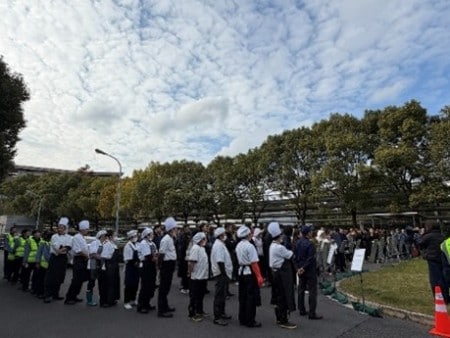
Evacuation drill at Tokyo Electron Shanghai
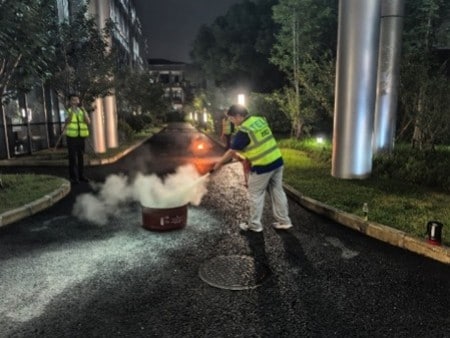
Nighttime evacuation drill at Tokyo Electron Kunshan

Nighttime evacuation drill at the Fuchu Technology Center
Initiative Example 3
Sharing good practices - The Group
At the Sustainability Global Committee held in May 2026, initiatives undertaken at each site to address high-priority human rights risks were shared. For working hours and consecutive workdays, by involving management in initiatives aimed at preventing in advance any violations of the RBA Code of Conduct helped instill the mindset of not working excessive hours or allowing others to do so. Active communication, in which management and individual managers reached out to employees, proved effective in mitigation and prevention. For evacuation drills, screening a video of a drill in which management took part gave attendees a concrete sense of conditions and the atmosphere on-site, which promoted understanding of the drills and fostered a sense of personal involvement. Each site draws on these shared initiatives and adds its own ingenuity to help prevent and mitigate adverse human rights impacts.
We will continue to use the Sustainability Global Committee to share corrective actions and further advance our initiatives to respect human rights.
Initiative Example 4
Examples of initiatives on forced and bonded labor - Suppliers
A materials supplier added a provision to its company rules prohibiting workers from bearing employment-related fees and made this known within the company. A staffing supplier adopted the same practice and, after confirming that migrant workers had been bearing the costs of renewing their residence status, took steps to refund four workers.
Initiative Example 5
Examples of initiatives on working hours - Suppliers
A staffing supplier switched from monthly to weekly management of working hours, which made conditions easier to grasp and enabled earlier review and adjustment, helping to prevent excessive working hours and reduce workloads. A logistics supplier, for which increasing working hours had become an issue, is advancing a range of measures to ease working hours, including reviewing work assignments and carrying out planned hiring.
Initiative Example 6
Examples of initiatives on evacuation drills and nighttime evacuation drills - Suppliers
At a staffing supplier the way evacuation drills were carried out differed from one office to another. To standardize the approach, it created a manual that systematized everything from drill planning to running the drill on the day and reviewing and improving it afterward, and shared this across all offices so that drills could be carried out smoothly. Another supplier, which had many employees working from home and had therefore not held an organizational evacuation drill, planned and carried out a drill that simulated a disaster occurring while employees were working from home. Specifically, it simulated earthquakes, typhoons, and power outages in addition to fires, and each employee checked the route from home to the nearest designated evacuation site. To reflect the results in future drills, the supplier also identified issues by interviewing participants after the drill.
Initiative Example 7
Examples of initiatives on access to remedy - Suppliers
A staffing supplier whose existing reporting channels did not allow anonymous reports made anonymous reporting possible, and it specified in its rules and made known that unfavorable treatment of or retaliation against whistleblowers is prohibited. A materials supplier was found to have no concrete procedures in place for anonymous reporting, and it revised its rules and established an operating structure.
Assessment of Effectiveness
To prevent and mitigate identified human rights risks, we verify the effectiveness of corrective actions by reviewing conditions before and after their implementation. When corrective actions are not sufficiently effective, we review their content and work to improve them.
Assessing Effectiveness - The Group
In fiscal year 2026, we introduced a corrective action management form in addition to the feedback sheet for human rights survey results. First, each site in Japan and overseas draws up a corrective plan centered on high-priority human rights risks and records the specific timing, actions, and planned completion date in the corrective action management form. If conditions change while corrective actions are under way, the site reconsiders the priority of the human rights risks to be addressed and revises the plan as needed. For working hours, consecutive workdays, and nighttime evacuation drills, which were identified as high-priority human rights risks, we confirmed the effectiveness of the corrective actions, as improvements were recognized and management structures were also verified. For evacuation drills, we are advancing initiatives to achieve a 100% employee participation rate, and we aim to complete these initiatives during fiscal year 2027. We plan to carry out follow-up assessments on an ongoing basis.
Assessing Effectiveness - Suppliers
We send feedback sheets to suppliers who responded to the human rights survey and request corrective action for items found noncompliant. For suppliers with many corrective items, we particularly request that they address high priority items first. In fiscal year 2026, in addition to these activities, 39 suppliers submitted specific corrective action plans, and we conducted reviews to check their implementation status. As a result, improvements were confirmed in items such as “working hours” and “evacuation drills,” verifying the effectiveness of corrective actions. We will continue to work to prevent and mitigate adverse impacts on human rights through engagement with our suppliers.
Addressing Grievances
For human rights initiatives in companies, it is critically important to ensure access to remedy for those affected by human rights violations. We have established and operate a highly reliable grievance mechanism (complaint handling mechanism) that ensures confidentiality and anonymity and prohibits retaliation and unfavorable treatment. We take feedback from stakeholders, including employees and suppliers, seriously and respond promptly and appropriately, while working to firmly establish a grievance mechanism dedicated to human rights and continuing to provide access to remedy.
Human Rights Training
Human Rights Training - The Group
Based on the recognition that actions guided by a high sense of ethics are indispensable, we provide all employees with web-based training on human rights. The web-based training program consists of concepts from the United Nations’ Guiding Principles on Business and Human Rights, major human rights risks companies must address, and case examples of our initiatives to respect human rights. Its objective is to raise each employee’s awareness of human rights and promote the practice of respecting human rights, and the participation rate for fiscal year 2026 reached more than 97% globally.
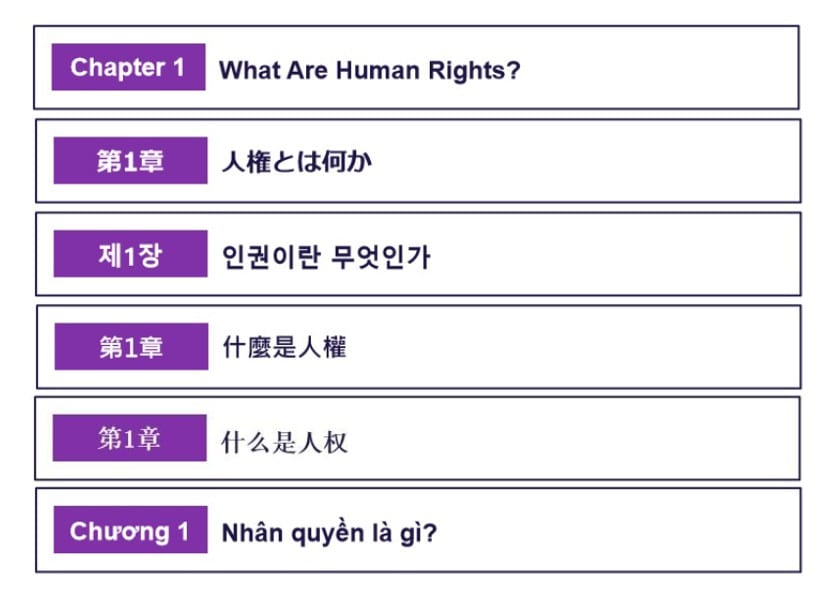
Multilingual human rights training
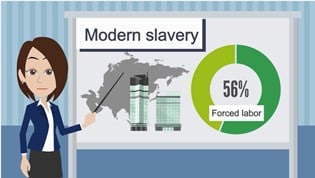
Image of training content
Human Rights Training - Suppliers
To deepen our suppliers' understanding of business and human rights within the supply chain, we convey the importance of respecting human rights through different opportunities and initiatives. This includes briefing sessions on survey results, individual engagement, and study sessions on the RBA Code of Conduct. For example, at a briefing session on survey results, we explained the requirements for building a highly effective grievance mechanism, which plays a central role in access to remedy under the United Nations‘ Guiding Principles on Business and Human Rights. At Tokyo Electron Shanghai, we also provided training on the Tokyo Electron Group Human Rights Policy and our initiatives to respect human rights for security personnel.
Disclosure
We report on our progress and disclose information about our initiatives to respect human rights through channels such as our integrated report and website. We incorporate into our future initiatives the opinions and requests we receive from all stakeholders—including shareholders, investors, customers, suppliers, and local communities—regarding the information disclosed. Through regular disclosure, we work to improve transparency and reliability and to fulfill our corporate accountability.